Why Custom Polo Shirts Are a Smart Choice for Your Brand
When I walk into a client's office for the first time, I notice what their team is wearing. It tells me a lot about how they operate. Are they all in the same off-the-rack polo with a logo that looks like an afterthought? Or is there something more intentional about the look, the fit, the feel of the fabric? Over the years, I've seen how the right custom polo shirts can shift that first impression from casual to credible. And it's not just about image. It's about function, longevity, and the message you send every day.
I started working with apparel decoration back when screen printing was the only reliable option for quantity. We'd run a few hundred shirts for a company picnic or a trade show, and everyone was happy with a basic cotton tee. But polos were always trickier. They demanded a better fit, a more tailored look. People wore them beyond the event, which meant the decoration had to hold up to washing and wear. That's where the difference between cheap and smart becomes obvious.
What Makes a Custom Polo Shirt Worth It
Polo shirts occupy a middle ground in the world of corporate apparel. They are not as formal as a button-down, but they are not as casual as a t-shirt. That makes them incredibly versatile. A well-made polo with your logo can work for a sales meeting, a lunch with a client, or even a casual Friday. But the key word here is "well-made." If the fabric puckers, the collar curls up, or the logo starts peeling after a few washes, you have wasted your investment.
When I talk to business owners about custom polo shirts customtsprinting, I point out that the decision starts with the blank. The garment itself matters more than most people think. A 100% cotton polo breathes well but can shrink. A polyester blend holds its shape and dries fast but can feel less breathable in hot weather. A cotton-pique weave adds texture and durability. Each choice has trade-offs, and the right one depends on your climate, your industry, and how often the shirt will be worn.
Fit and Sizing Considerations
One mistake I see often is ordering a single size run without thinking about how different body types will wear the shirt. A polo that fits perfectly on a tall, slim person may look boxy on someone shorter. Modern athletic fits address some of this, but they are not for everyone. If you are ordering for a diverse team, consider offering two fits: a classic cut and a slim cut. It adds complexity to the order but saves you from having people who never wear the shirt because it does not fit right.
At Custom Shirt Printing, we always recommend ordering a sample set before placing a large order. That lets you see the fabric, test the sizing, and check the color against your logo. It is a small step that prevents expensive mistakes. I have seen too many orders where the client loved the design on screen but hated the color in person. A sample run fixes that.
Decoration Methods for Polo Shirts
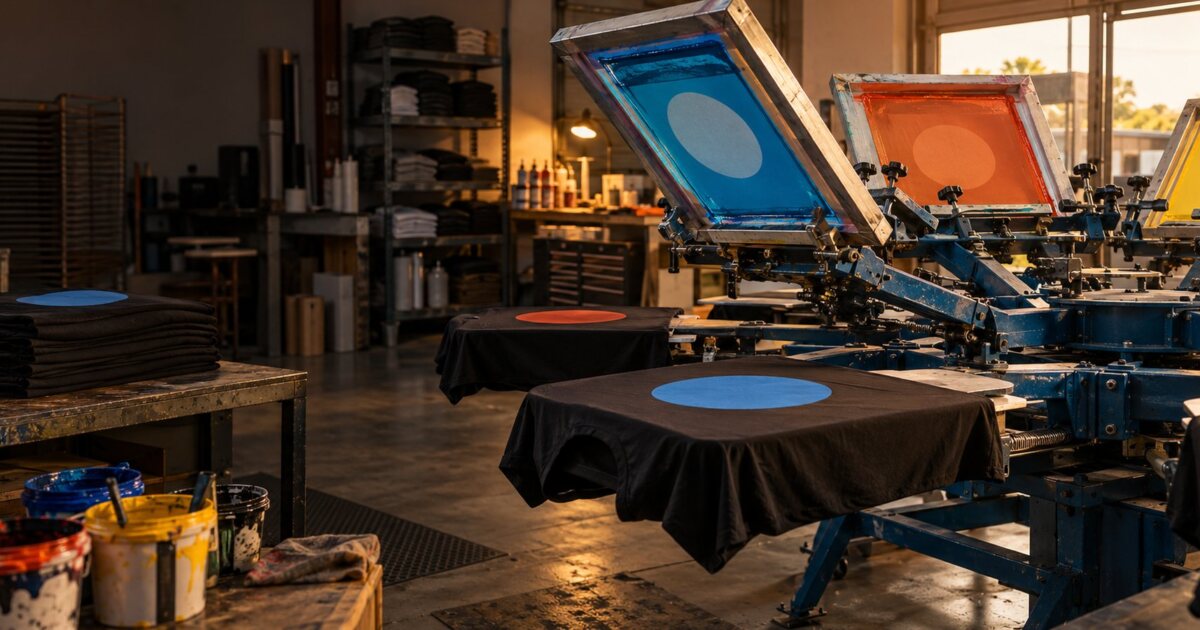
The way you apply your logo to a polo shirt matters as much as the shirt itself. Screen printing works great for flat surfaces, but polo shirts often have textured pique fabric that can distort a print. That is why many shops recommend embroidery for polos. Embroidery sits on top of the fabric, so the texture of the weave does not interfere with the design. It also gives a more premium look that matches the semi-formal nature of a polo.
But embroidery has limits. Fine details, small text, or complex gradients do not embroider well. For those designs, a DTF transfer or a high-quality screen print on a smooth panel may work better. The choice depends on your logo and how you plan to use the shirt. If you need a small, simple logo on the chest, embroidery is hard to beat. If you want a large back design or a full-color photo, you need something else.
When I work with clients on custom polo shirts customtsprinting, I walk them through these options. I show them examples of good and bad execution. I explain that a poorly placed embroidery can make a shirt look cheap, even if the garment itself costs forty dollars. Placement matters. The left chest is standard, but a sleeve logo or a center chest can work for certain brands. It is about balance and proportion.
Care and Longevity
Another factor that gets overlooked is care. A custom polo shirt that goes through a commercial laundry service will fade and wear faster than one that is washed at home in cold water and hung to dry. If your team is in a setting where uniforms go through industrial washing, you need a garment and decoration that can take it. Polyester blends and high-quality embroidery hold up better than cotton and screen print in those conditions.
I have had clients who were frustrated that their polos looked faded after three months. When I asked how they were washed, the answer was always hot water and a hot dryer. Simple changes in care can double the life of a shirt. That is not just good for your budget, it is better for the environment too. Fewer replacements mean less waste.
Why Work with a Local Print Shop
There is something to be said for working with a shop that does the work in-house. When you order from Custom Shirt Printing, you are talking to the people who will actually print or embroider your shirts. That means faster turnaround, better communication, and the ability to fix problems before they ship. I have worked with online brokers who farm out orders to the cheapest bidder, and the results are inconsistent. With a local family-owned shop, you get accountability.
One of the advantages of a shop like this is the free design help. Many business owners do not know how their logo will look on a polo until they see a mockup. A good print shop will help you adjust colors, resize elements, and choose the right placement. That service can save you from ordering a design that looks great on a screen but terrible on fabric.
Ordering Custom Polo Shirts for Events
If you need custom polo shirts customtsprinting for an event or a team, plan ahead. The embroidery or printing process takes time, and the best shops book up weeks in advance, especially around trade show season. I recommend ordering at least four to six weeks before you need the shirts. That gives time for samples, production, and shipping. Rushing a rush order often leads to mistakes or higher costs.
Event polos are a different beast than uniform polos. For an event, you might want a brighter color or a more fashion-forward fit to stand out in a crowd. For uniforms, you want something that blends professionalism with comfort over eight hours. Knowing the context helps you make the right call.
Final Thoughts
Custom polo shirts are not a commodity purchase. They are an investment in how your brand looks and feels every day. The difference between a good polo and a great one is in the details: the fabric, the fit, the decoration method, and the care. Taking the time to get those details right pays off in the long run. Your team will wear them more, your clients will notice, and your brand will look stronger for it.
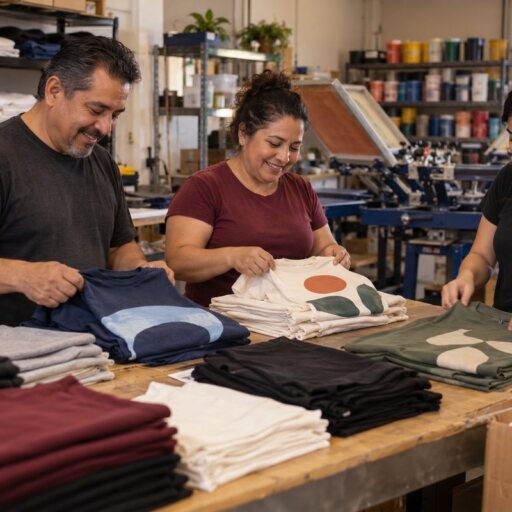
I have seen businesses transform their image simply by upgrading from a cheap printed tee to a quality embroidered polo. It is not magic. It is just making a choice that respects the people wearing the shirt and the message it carries. If you are thinking about ordering custom polos, do not rush. Talk to a shop that knows what it is doing, order samples, and think about how the shirt will be used. That approach never fails.
And if you are in Los Angeles, you already have access to a print shop that understands these details. Custom Shirt Printing has been doing this work for years, and they treat every order like it matters. Because it does.
 Facebook
 Instagram